Blog
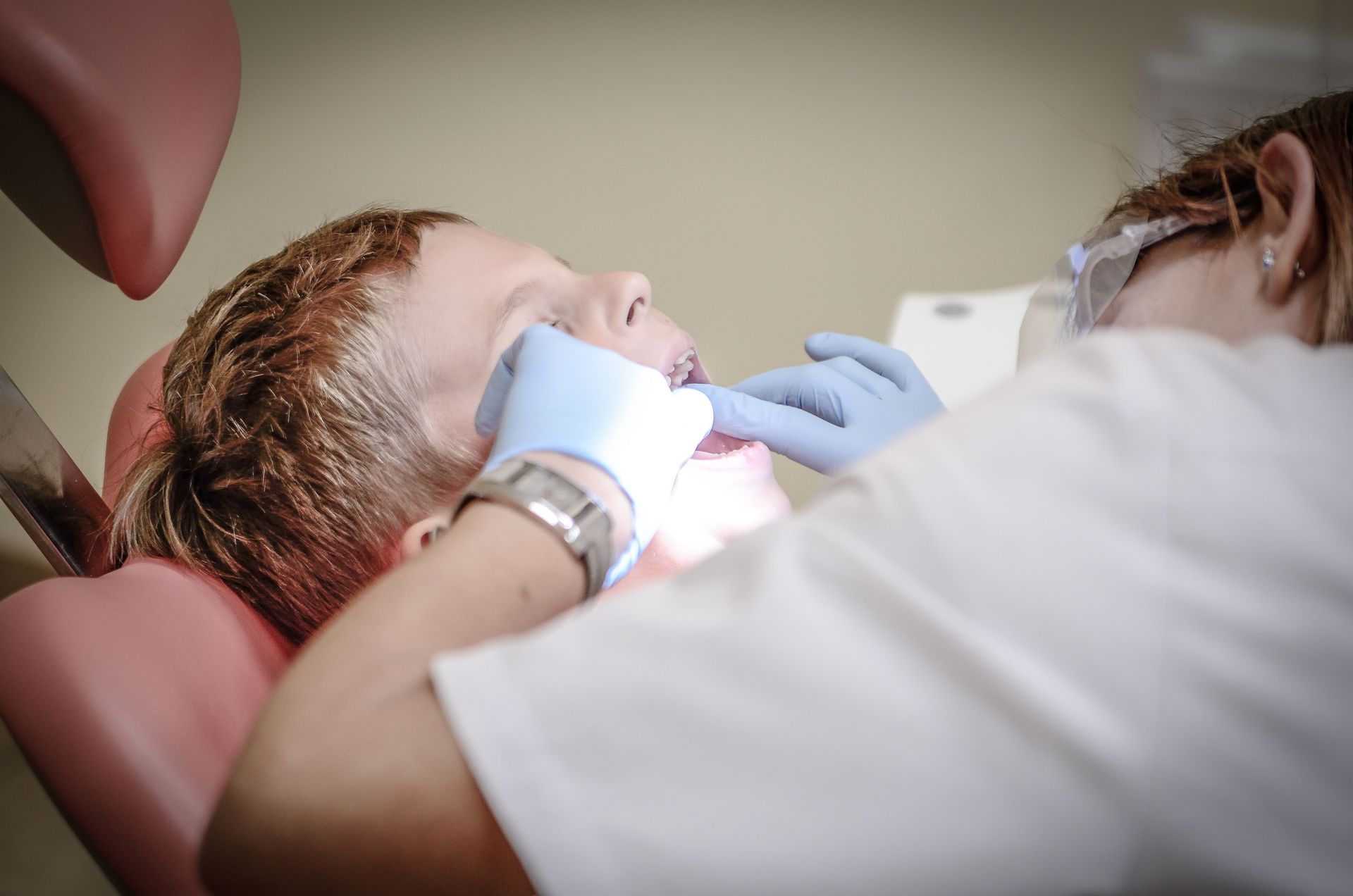
A dental visit can feel overwhelming for a child who is sensitive to bright lights, unfamiliar sounds, or new surroundings. Some children also need extra time to understand instructions or feel comfortable with dental treatment. Special needs dentistry helps address these challenges through individualized dental care. A special needs dentist considers each child's physical, developmental, sensory, and communication needs before planning treatment. For parents searching for a special needs dentist in Long Beach , understanding this approach can make choosing a dental practice easier. Here is what specialized dental care involves, how it supports overall health, and what families should consider before scheduling an appointment. What Is Special Needs Dentistry and Who Can Benefit From It? Special needs dentistry focuses on providing dental care for patients who need additional support because of physical, developmental, sensory, or behavioral conditions. Children with autism, Down syndrome, cerebral palsy, and certain sensory processing differences may benefit from an adapted approach. Some children also have communication difficulties that make it harder to explain pain or follow dental instructions. However, a diagnosis does not automatically mean a child needs special treatment. Every child has different abilities, preferences, and dental health needs. For example, a child with sensory sensitivities may struggle with the sound of dental equipment. Another child may need additional time to understand what happens during an examination. A child with limited mobility may need adjustments to the dental chair or treatment position. A dentist who understands these differences can plan appointments around the child's needs. The goal is to make dental visits more comfortable while providing appropriate oral healthcare. How Does a Special Needs Dentist Make Dental Visits Easier? A familiar dental routine can help children feel more comfortable during appointments. However, some children need extra preparation before they can accept an examination or treatment. A special needs dentist may introduce dental instruments gradually. Showing a mirror or explaining the dental chair before starting can help reduce uncertainty. Simple instructions and visual demonstrations may also help children understand each step. Appointment planning can make a difference, too. Some children benefit from shorter visits, quieter appointment times, or additional time with the dental team. These adjustments depend on the child's needs and the practice's available options. Parents can support this process by sharing useful information before the visit. Tell the dentist about your child's communication preferences, sensory triggers, medications, allergies, and previous dental experiences. For example, if your child dislikes unexpected touch, the dental team can discuss each step before beginning. Small adjustments may help the child feel more prepared and involved. How Special Needs Dentistry Supports Your Child's Overall Health Oral health affects more than the appearance of a child's teeth. Dental pain, untreated cavities, and gum problems can interfere with eating, speaking, sleeping, and everyday activities. Children who cannot easily explain discomfort may have difficulty communicating when something hurts. Regular dental examinations help identify potential problems before they become more complicated. Preventive care also plays an important role. Dentists may recommend professional cleanings, fluoride treatments, and dental sealants when appropriate. Parents can also receive guidance on brushing and flossing routines that suit their child's abilities. Some children take medications or have medical conditions that affect their oral health. Their dental team may need to consider these factors before recommending treatment. When necessary, dentists can coordinate with a child's physician or other healthcare providers. This communication helps the dental team understand relevant medical concerns and plan appropriate care. Consistent dental visits and suitable home care habits give children a better opportunity to maintain healthy teeth and gums. What Challenges Can Children Face During Dental Treatment? Dental appointments involve unfamiliar experiences that some children find difficult. Recognizing these challenges helps parents and dental teams plan better support. Sensory sensitivity is one common concern. Bright lights, dental equipment, unfamiliar tastes, and certain textures may cause discomfort. Some children also find it difficult to tolerate sounds from drills or suction equipment. Communication can create another challenge. A child who has difficulty describing pain may not easily explain what feels uncomfortable. The dentist may need to use visual instructions, demonstrations, or other communication methods. Remaining seated and keeping the mouth open can also require additional support. Some children need breaks, shorter appointments, or a gradual introduction to dental procedures. Sedation may be considered when a child cannot comfortably complete necessary treatment through other approaches. However, it is not suitable or necessary for every child. The dentist must assess the child's medical history, treatment needs, and potential risks before recommending it. Parents should discuss these concerns openly rather than assuming every child needs the same adjustments. Why Does Every Child Need a Personalized Dental Care Plan? A personalized dental care plan considers more than cavities or the condition of a child's teeth. It also accounts for medical history, medications, allergies, sensory preferences, communication abilities, and daily routines. For example, a child who has difficulty holding a toothbrush may benefit from an adapted toothbrush or help from a caregiver. Another child may respond better to picture-based brushing instructions or a familiar daily routine. Dental visits can also be introduced gradually. An initial appointment might focus on meeting the dental team and becoming familiar with the surroundings. Later visits may include an examination or treatment when the child feels ready, and the dentist considers it appropriate. Parents should remain involved when discussing treatment options and follow-up care. They often understand which approaches help their child feel safe and communicate comfortably. The dental team can use this information to adjust care as the child's needs change. Regular checkups also help monitor oral health and update preventive recommendations. A consistent plan gives parents practical guidance for maintaining dental care at home and during future appointments. How Can Parents Choose the Right Special Needs Dentist in Long Beach? Finding a suitable dentist involves more than checking location and appointment availability. Parents should consider the practice's experience, communication style, and ability to accommodate their child's needs. Start by asking whether the dentist has experience treating children with similar healthcare or communication needs. You can also ask how the team prepares children who experience sensory discomfort or dental anxiety. Before booking, consider asking these questions: Does the practice offer additional time for children who need slower appointments? Can parents discuss sensory preferences and communication needs before treatment? What preventive and restorative treatments are available? How does the dentist assess whether sedation is appropriate? Can the practice coordinate with the child's physician when necessary? Parents comparing options for Pediatric Dentistry in Long Beach, CA , should also consider the child's comfort during the first visit. A welcoming environment and clear communication can make a meaningful difference. Choose a dental team that listens to your concerns, explains treatment options, and respects your child's individual needs. Conclusion Every child deserves dental care that respects their individual needs and comfort. Special needs dentistry helps families find suitable approaches to preventive care, examinations, and treatment. Parents can start by discussing their child's medical history, communication preferences, and previous dental experiences with the dental team. Contact a dental practice in Long Beach to discuss your child's needs and arrange an appropriate first visit.
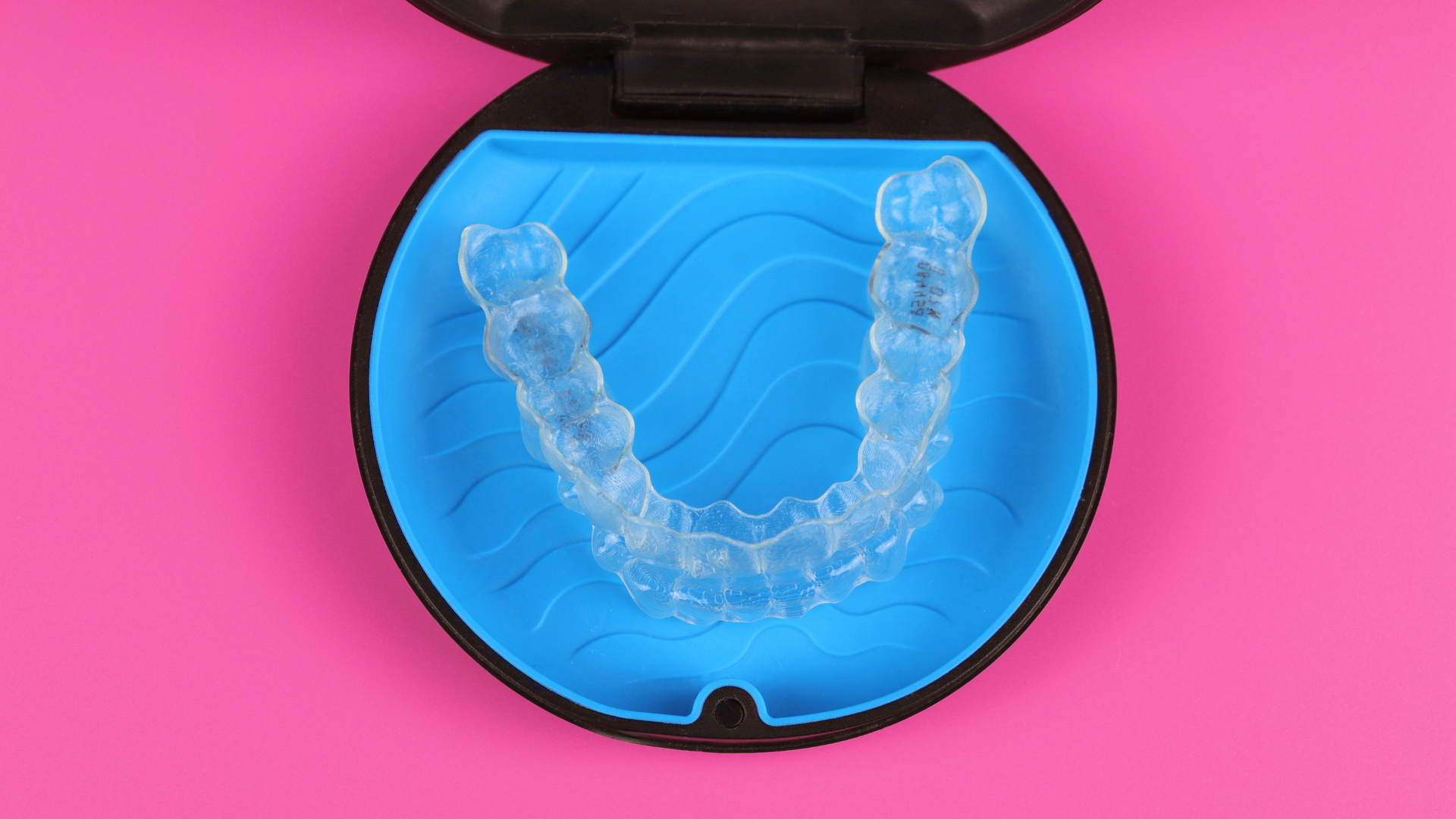
If it’s time for your teenager to get braces, you’re probably doing all kinds of research, trying to determine which option is best for your child and your family. At Journey Kids Dental, we love recommending Invisalign for teens, and we especially love combining an Invisalign treatment with GLO whitening to make sure they end up with a beautiful smile they feel confident about.

We all know that good oral health is essential for proper development. We teach our kids how to brush and even floss at a young age because we know even though they won’t have these teeth forever, issues can still arise.

It’s a common misconception that caring for your little one’s baby teeth isn’t as important because they’re going to eventually lose them anyway. I love to educate parents (and children) about the importance of proper oral health, even for the youngest patients! This starts with understanding baby bottle tooth decay… and how to avoid it.